Is My Boyfriend Cheating? 3 Warning Signs You Shouldn't Ignore
Wondering “is my boyfriend cheating?” Discover 3 warning signs of infidelity, the different types of cheating, and what to do when trust starts to break down.
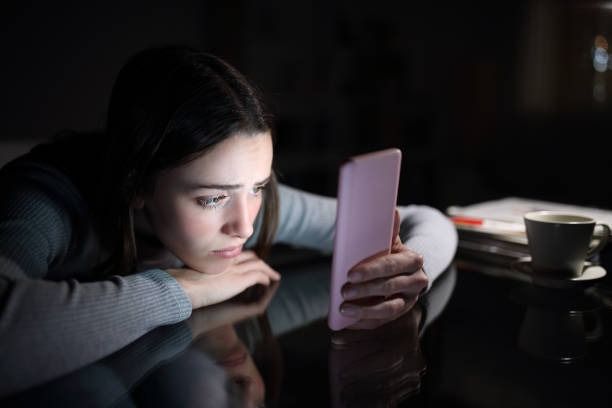
If you're lying awake at 2 AM Googling "is my boyfriend cheating?", take a deep breath. You aren't losing your mind, and you definitely aren't alone.
Once that seed of doubt is planted, it's brutal. Your brain immediately spirals into the worst questions: Is it something I did? Am I not enough? Am I just being crazy and paranoid? Let's clear that up right now: if a partner is sneaking around, it's a reflection of their own broken character, not your worth.
Before we look at the red flags, let's look at what cheating actually looks like today because it's rarely a movie-style scene.
What Actually Counts as Cheating Today?
Cheating isn't always as obvious as finding a secret phone call in the middle of the night. Modern relationships come with messy grey areas, and betrayal often begins quietly before it ever crosses a physical line:
PHYSICAL CHEATING
Crossing physical or sexual boundaries with someone outside your relationship.
EMOTIONAL CHEATING
Directing romantic energy, deep intimacy, and personal secrets toward someone else behind your back turning to them for emotional support instead of your partner.
MICRO-CHEATING
The sneaky grey-area stuff. Hiding texts, deleting chat histories, or keeping a "work wife" way too close for comfort.
The Three Types Of Cheating
These three types can look very different from one relationship to another. The important thing is not to get stuck arguing over a label. What matters is the secrecy, the broken agreement, and the effect it has on the relationship.
Physical Cheating
This is the clearest form of betrayal. If you are asking yourself, "is my boyfriend cheating?" because you suspect he may be physically involved with someone else, this is the kind of situation people usually have in mind. It usually means kissing, sexual contact, or another physical relationship that crosses a boundary the couple has agreed to respect. For some couples, the boundary may be different, but the common thread is that something intimate is happening with another person and being hidden from the partner.
What makes physical cheating especially painful is often not only what happened, but the deception around it. Secret meetings, unexplained nights out, deleted messages, or stories that do not quite add up can leave the other person feeling as though their entire relationship has been rewritten without their knowledge.
Emotional Cheating
Emotional cheating can be harder to recognize because nothing physical may have happened. It can begin with one person becoming the first person their partner calls when something good happens, the person they confide in about private problems, or the person whose attention they are constantly seeking. Over time, the outside connection can start taking the emotional space that once belonged to the relationship.
A friendship by itself is not proof of emotional cheating. People can have close friends, coworkers, and meaningful connections outside a relationship. The warning sign is when the closeness is deliberately hidden, romantic feelings are involved, or a partner becomes more emotionally available to someone else while becoming distant at home.
Micro-cheating
Micro-cheating lives in the grey area. It can include flirting in private messages, keeping a dating app around just for attention, hiding conversations, giving someone special treatment, or maintaining a relationship that would look very different if a partner could see the whole thing. Each action may seem small on its own, which is exactly why this kind of behaviour can be so confusing.
Not every friendly message or social interaction is micro-cheating. Context matters. The real question is whether your partner knows the behaviour would hurt you, would be uncomfortable doing it openly in front of you, and chooses to hide it anyway. Small acts of secrecy can slowly damage trust even when there has been no physical affair.
So, What Should You Do If You Suspect Cheating?
First, do not make yourself responsible for proving a case like a detective. Pay attention to patterns rather than one strange text, one late night, or one change in appearance. A single sign can have an innocent explanation. Several changes happening together deserve a calm and honest conversation.
Choose a time when you are both calm. Tell him what you have noticed and how it has made you feel. Be specific instead of starting with an accusation. You can say, "I've noticed that you've become much more private with your phone and more distant with me. I'm not comfortable pretending everything is fine. Can we talk honestly about what is going on?"
Then listen to the response, but also pay attention to how he responds. Does he answer your questions with patience? Is he willing to talk about boundaries? Does his explanation make sense and remain consistent? Or does he immediately turn everything back on you, mock your concerns, become threatening, or make you feel ashamed for asking a reasonable question? His reaction does not automatically prove infidelity, but it tells you something important about the health of the relationship.
Set your own boundary
You do not have to decide the entire future of your relationship in one conversation. You can decide what you will and will not accept. If there has been cheating, ask yourself what you would need in order to rebuild trust. That might mean complete honesty, cutting off the outside relationship, counselling, or a clear agreement about what happens next. If there has not been cheating but the relationship has become secretive and disrespectful, that still deserves to be addressed.
Most importantly, do not let fear turn you against yourself. Being suspicious does not make you crazy, and being cheated on would not mean you were not attractive enough, loving enough, or good enough. You are allowed to want a relationship where you feel safe, respected, and chosen.
Catching them isn't usually about finding a smoking gun right away. It's that slow, agonizing drip of small changes that makes you feel like you're going insane. When you're constantly asking yourself is my boyfriend cheating?, you usually feel the shift long before any hard proof lands in your lap. Based on real stories from women who trusted their gut, here are 3 major red flag patterns you shouldn't ignore.
Catching them isn't usually about finding a smoking gun right away. It's that slow, agonizing drip of small changes that makes you feel like you're going insane. When you're constantly asking yourself is my boyfriend cheating?, you usually feel the shift long before any hard proof lands in your lap. Based on real stories from women who trusted their gut, here are 3 major red flag patterns you shouldn't ignore.
3 Red Flags You Shouldn't Ignore
1. Digital Breadcrumbs & Sudden "Glow-Ups"
Sometimes you don't even need his passcode to know something is off. One woman figured out the truth just by looking at his phone keyboard's "recently used" emojis a string of hearts and kissing faces that she knew for a fact weren't meant for her. It's also wild how algorithms figure it out first; another woman noticed her partner acting weird, but it clicked when she started getting Facebook ads asking if her partner was unfaithful because he had been secretly messaging someone on Facebook Messenger.
Alongside his tech, watch his appearance. It hurts worse than anything when he suddenly starts trying to look good, and you know you aren't the reason. One wife shared how her husband out of nowhere started wearing nice button-up shirts and sandals; clothes she had begged him to wear for years only to find out he was dressing up to take a coworker on a vacation to Florida. If you're stuck asking is my boyfriend cheating?, pay close attention to sudden tech secrecy paired with a brand-new wardrobe.
2. Bizarre Emotional Disconnects & "Coworker" Fixations
When his emotional bandwidth is going to someone else, things at home turn ice cold. Often, there's a strange, defensive fixation on a specific "coworker." Think about the guy who used to make his girlfriend mix CDs. They hit a rough patch, a love song came on in the car, and he looked her dead in the eye and said, "None of these songs are about you."
Or consider the boyfriend who hated a specific song and forced his girlfriend to turn it off every time she played it until that exact song came on random shuffle one day, and he smiled and said, "Oh, [name] loves this song." When he's emotionally checked out like this, your brain naturally asks is my boyfriend cheating? because the distance is impossible to ignore.
3. Deflection, Gaslighting, and Toxic Projection
If he's guilty, he'll do everything he can to flip the script and make you feel like the irrational one. He might start getting home at 11 PM because of "work," ignore your calls for hours, and look at you like a stranger. When you finally ask him why he's acting so weird, he immediately explodes and gaslights you into thinking you're insane. They love to over explain to cover their tracks, too, like the husband whose coworker called on speakerphone to say he was her favorite person at work, only for him to insult her and tilt his screen away.
Worse yet is projection. If he suddenly starts accusing you of cheating out of absolutely nowhere, there's a massive chance he is the one doing it. Instead of dealing with his own guilt, he throws the suspicion onto you so you're too busy defending your own innocence to look into what he’s actually up to.
The Bottom Line
The question ‘is my boyfriend cheating?’ can make you read into every little change. But red flags alone cannot tell you the whole story. You need clarity about what is really happening and what you want to do next.
The three types of cheating can overlap, and the warning signs can mean different things in different relationships. A hidden message is not automatically an affair, and a quiet period does not automatically mean someone is cheating. But when secrecy, distance, unexplained changes, and broken boundaries keep piling up, it is reasonable to stop ignoring how you feel.
Do not spend months trying to become a better detective when what you really need is an honest conversation. Ask direct questions. Look at the pattern. Decide what you need from your partner, and be honest with yourself about what you can live with. If trust has been broken, rebuilding it takes effort from both people. One person cannot carry a relationship back to health alone.
You deserve answers, but you also deserve peace. Whatever the truth turns out to be, do not measure your worth by someone else's decision to be faithful or unfaithful. Your next step should not be about punishing him or proving that you were right. It should be about getting the clarity you need to make a decision that protects your heart and your future.

Still looking for clarity?
LoveCap helps you find a loyalty tester and get the answers you need when doubt starts to take over.
Discover LoveCap